Linguofreak
Well-known member
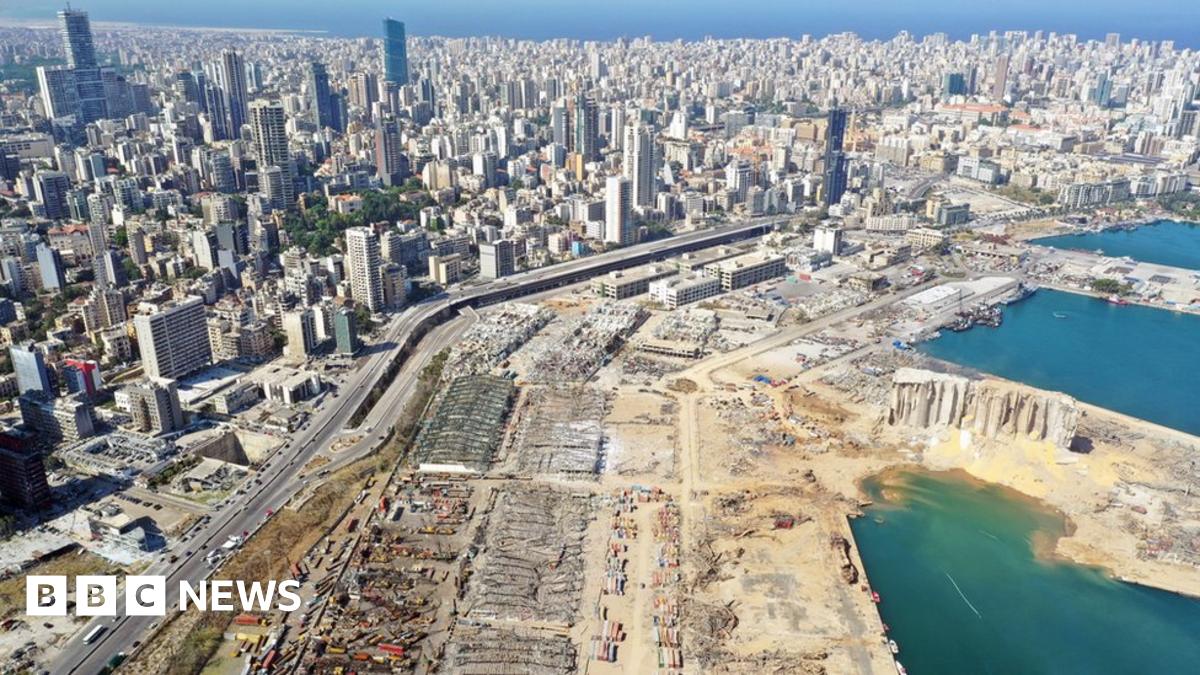
Pretty huge crater, where the warehouse used to be...
Not to mention that that gain elevator apparently held the country's strategic grain reserve, and there's already somewhat of a food crisis due to economic issues.

Pretty huge crater, where the warehouse used to be...

Not to mention that that gain elevator apparently held the country's strategic grain reserve, and there's already somewhat of a food crisis due to economic issues.
Yeah - on one hand, it WAS just the second biggest grain elevator in Beirut.
But still a painful loss, as this one stored the strategic reserve of the country.
There is now only one month of grain left in the country.
Actually, according to what I've read since my last post, the elevator was mostly empty, and so while it had most of the capacity for the grain reserve, it didn't actually have all that much of the current total, and not that much was actually lost.
However, the loss of the port means a significant impact to their ability to receive grain.


Beirut explosion: How ship's deadly cargo ended up at port
The explosion at a portside warehouse in Beirut sent devastating shockwaves across the Lebanese capital, decimating seafront buildings and causing widespread destruction.
At least 137 people died and about 5,000 others have been injured. Satellite and aerial images show the extent of the physical damage to a city more accustomed to such scenes as a result of war than accident.
I actually live on a house near a plant that exploded 1963..10 died all windows exploded in 2 km radius.
It is red because the warehouse where it was stored was red brick building that evapporated instantly.
Categorically false in this case: neither the warehouse nor any of the buildings near the blast were red brick. The red color is due to NO2 being one of the reaction products.
Red bricks are also rather uncommon in northern Africa. The little loam in northern Africa lacks the iron for that. They rather tend towards a whitish or yellow tone.
Northern Africa? Lebanon is just north of Israel.
Beirut: Anatomy of a lethal explosion
 www.bbc.co.uk


