- Joined
- Oct 11, 2009
- Messages
- 3,488
- Reaction score
- 407
- Points
- 123
- Location
- Utrecht
- Website
- www.spaceflightnewsapi.net
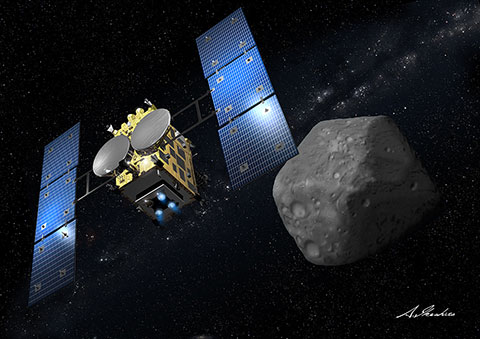
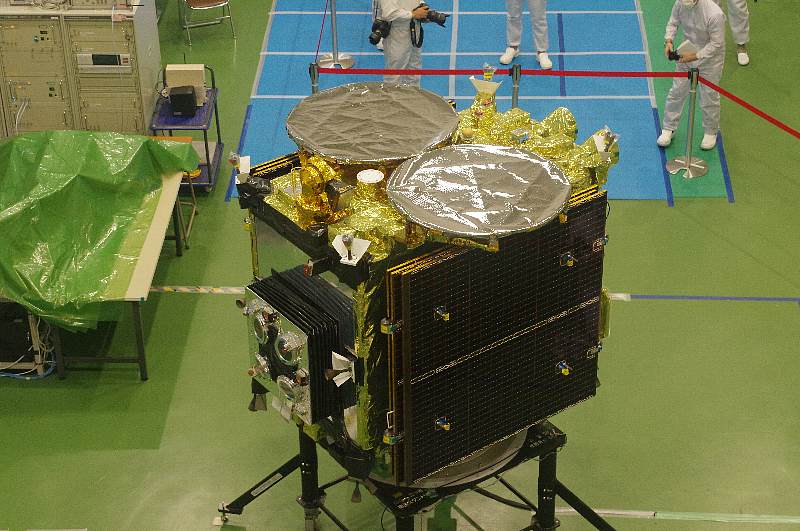
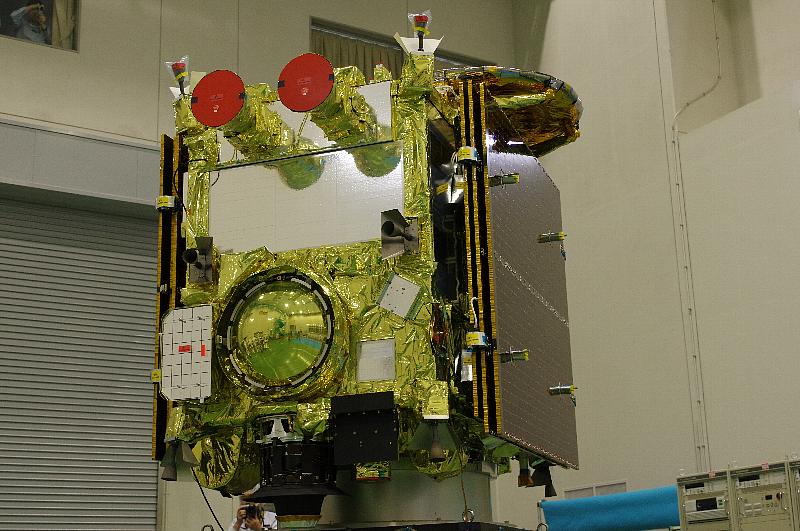
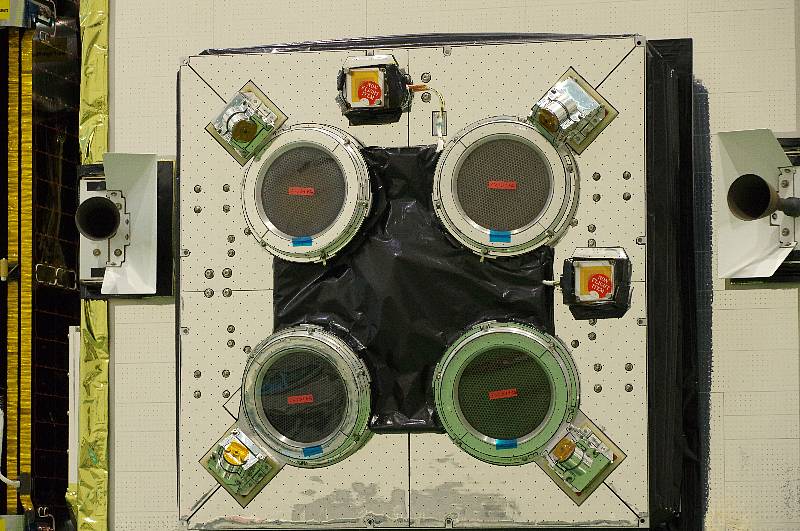
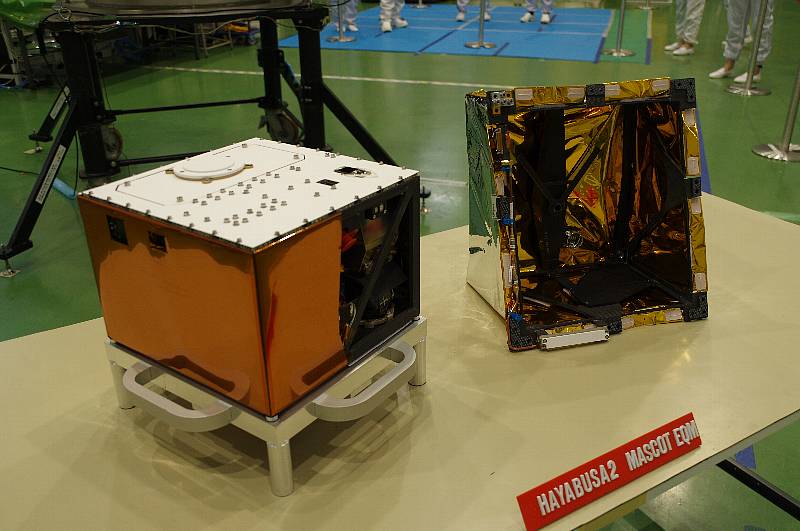
Hayabusa 2 is the follow-on mission to the Hayabusa mission as proposed by JAXA. The goal for Hayabusa 2 is to build upon the legacy of the original mission, by strengthening the shown weak points. As of January 2011, the target is asteroid (162173) 1999 JU3 with a proposed launch in July 2014, with backup launch opportunities in December 2014, June and December 2015. Hayabusa 2 would then be expected to arrive to the target in 2018, survey the asteroid for a year and a half, depart in December 2019, and return to the earth in December 2020. The next mission will feature more durable ion engines, upgraded guidance and navigation technology, and new antennas and attitude control systems. Operations at the asteroid will be similar to those of the previous Hayabusa, but with an explosive device to dig the asteroid surface for fresh sample material.
Spaceflight Now's article:

Spaceflight Now's article:
The Space Activities Commission, a board governing funding for the Japanese space program, formally approved the Hayabusa 2 mission last week. The decision came after a 2010 ruling that directed the Japan Aerospace Exploration Agency to continue preliminary design of the probe.
Launch of Hayabusa 2 must occur in 2014 to reach asteroid 1999 JU3, the mission's 3,000-foot-diameter target. Asteroid 1999 JU3, which is still awaiting a name, is a C-type body, the most common form of asteroid in the solar system. Observations by telescopes on Earth indicate the asteroid is roughly spherical and has dark features.
The probe would reach the asteroid in mid-2018 and depart in December 2019. Landing on Earth is expected at the end of 2020, according to JAXA.
Japan is working on a tight schedule and budget to develop the spacecraft in time for the narrow launch window, which is timed for when the asteroid is in the right position relative to Earth. JAXA officials say a back-up launch opportunity exists in 2015, but the mission would have to wait a decade longer to get off the ground if the probe misses the secondary window.
The project will receive $39 million in the Japanese fiscal year beginning April 1, according to documents released by the Space Activities Commission.
JAXA previously reported the Hayabusa 2 mission's total cost will be more than $200 million.
{...}
Last edited by a moderator:


 a
a