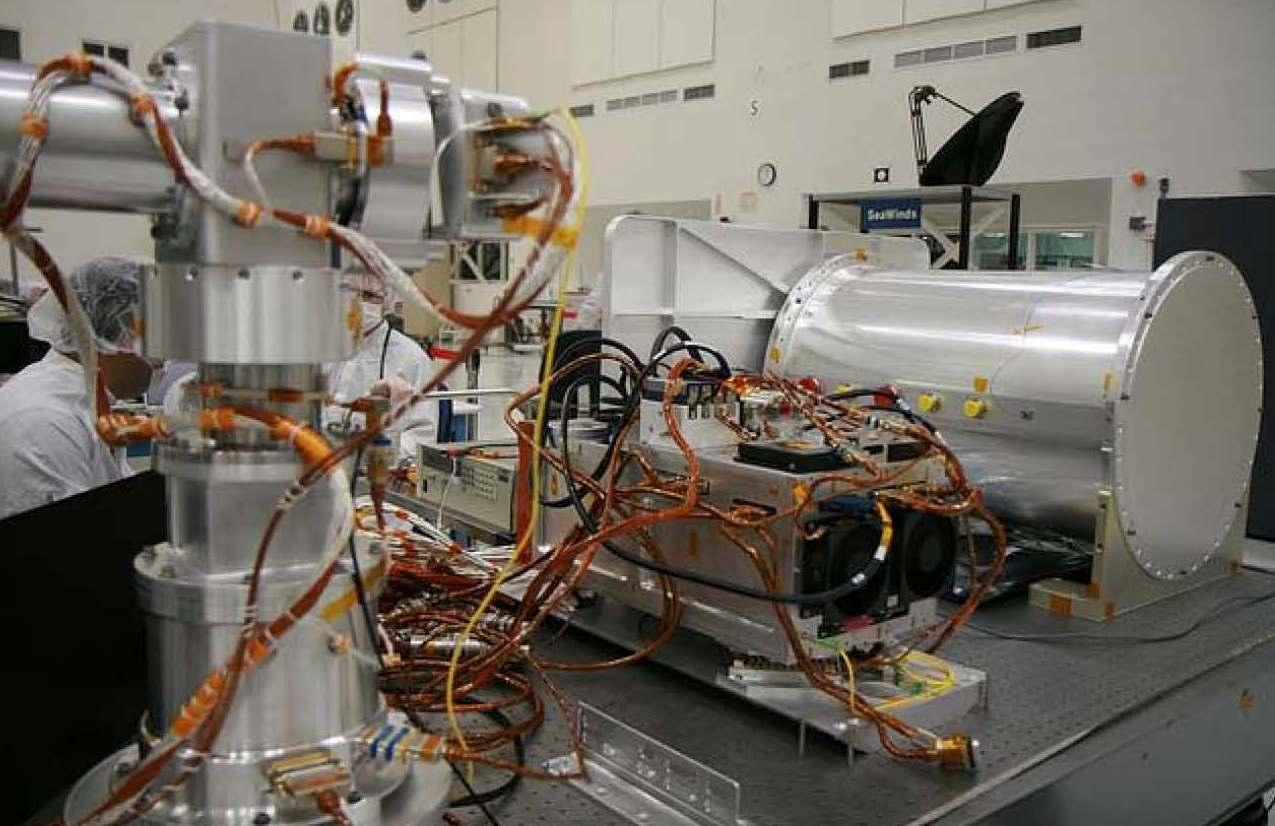
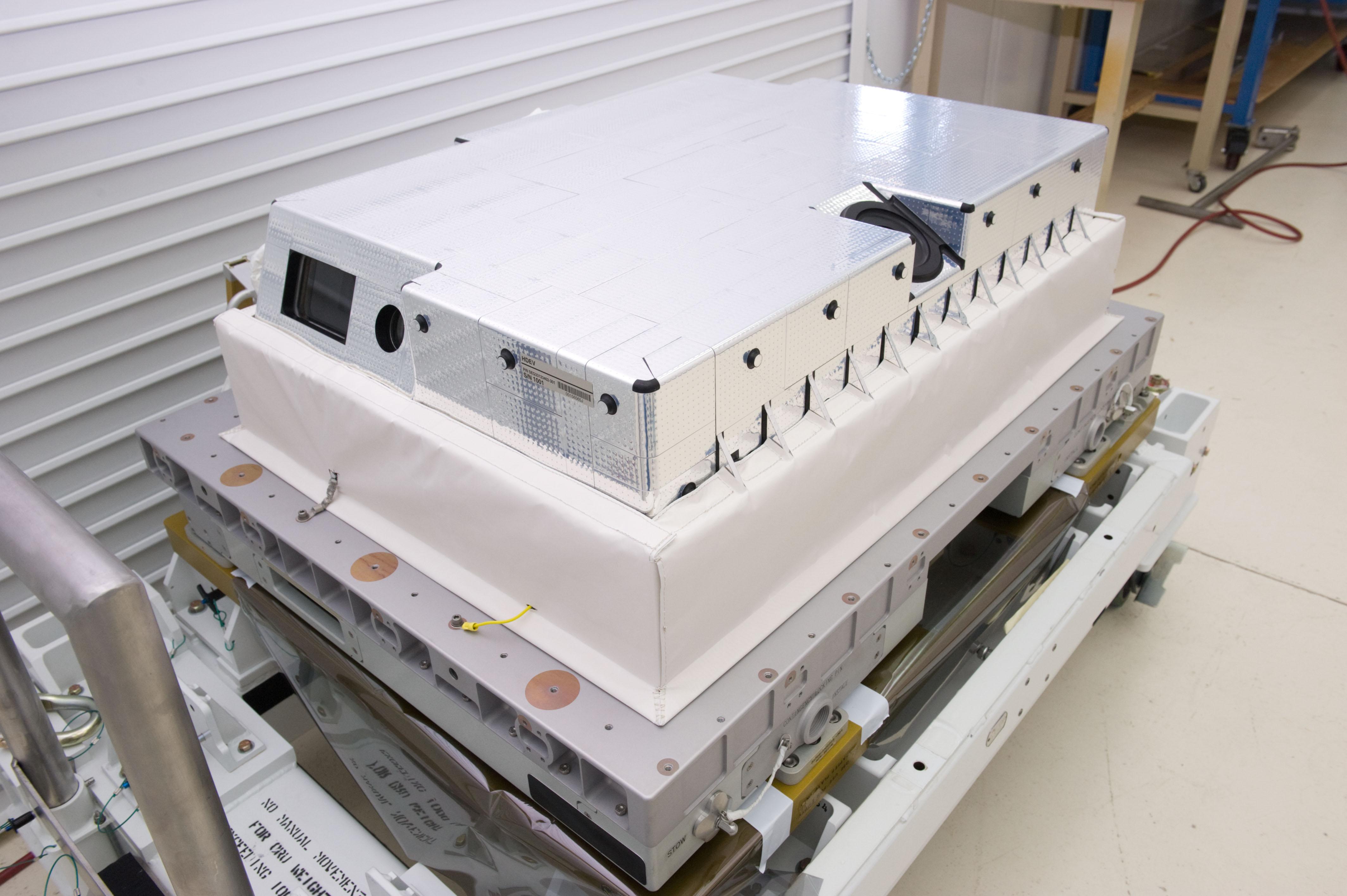
SpaceX is gearing up for launch of a Falcon 9 rocket Friday with 2.4 tons of experiments, provisions and hardware for the International Space Station. Liftoff from Cape Canaveral is scheduled for 3:25 p.m. EDT (1925 GMT), weather permitting.
Forecasters predict widespread showers and isolated thunderstorms around the launch site Friday afternoon, with a 60 percent chance conditions prevent liftoff. The main concerns are with thick clouds, lightning and precipitation in the 208-foot-tall launcher's flight path.
If the rocket does not get off the ground Friday, another launch attempt could be made Saturday at 3:02 p.m. EDT (1902), when weather conditions should be improved enough to allow for better then even odds of liftoff.
The mission's first launch attempt Monday was scrubbed about an hour before blastoff after engineers detected a helium valve in the Falcon 9's pneumatic stage separation system was not holding the correct pressure.
Technicians returned the launcher to its hangar and replaced the faulty valve.
Officials spent Thursday afternoon packing the Dragon spacecraft with refrigerated experiment samples and other time-sensitive cargo as part of the standard "late load" activities before each resupply flight to the space station.
If the SpaceX launch goes on schedule Friday, the Dragon capsule will arrive at the space station early Sunday, with grapple of the automated vehicle by the outpost's robot arm expected at 7:14 a.m. EDT (1114 GMT).
Astronauts Rick Mastracchio and Steve Swanson are preparing for a spacewalk next Wednesday, April 23, to replace a failed computer on the space station's central truss section. The computer stopped responding to commands April 11, threatening to delay the SpaceX cargo flight, but NASA managers approved the resupply mission after determining the space station's critical systems had enough redundancy to safely deal with any further failures.
If Friday's launch is scrubbed, NASA plans to move the spacewalk forward to Sunday, April 20. A Falcon 9 launch Saturday would take a longer three-day route to the space station, arriving April 22 after the spacewalk.