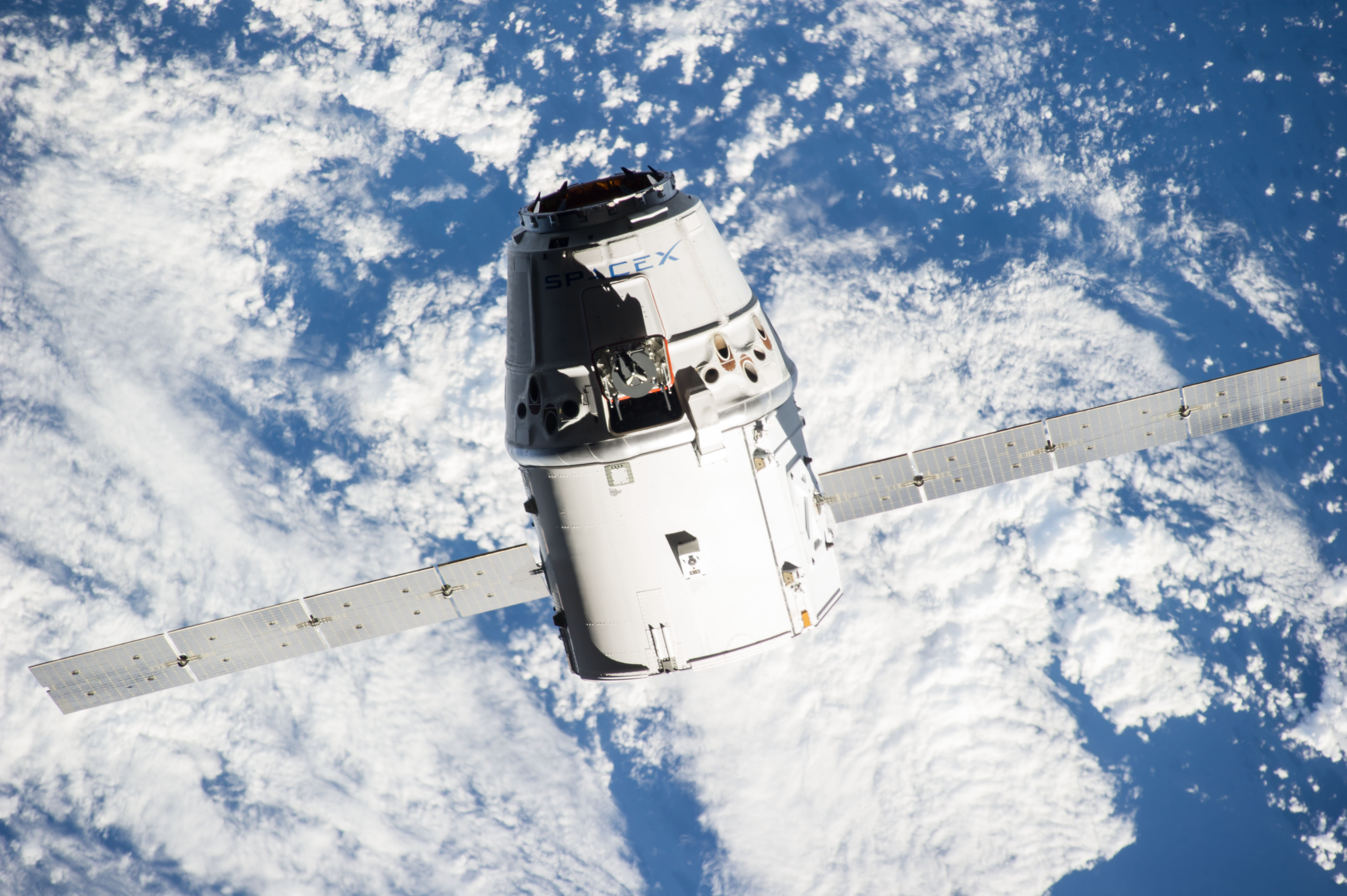
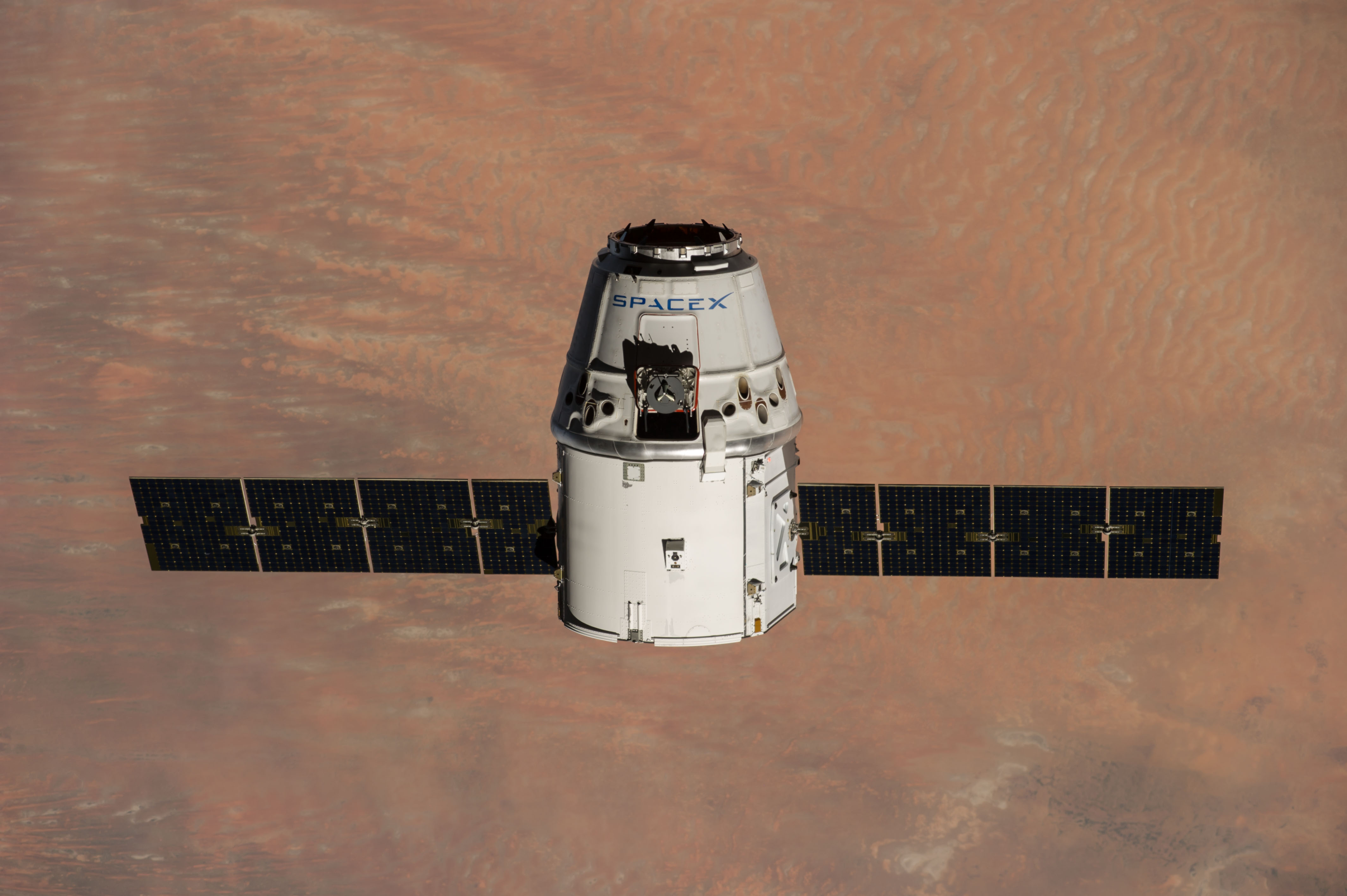
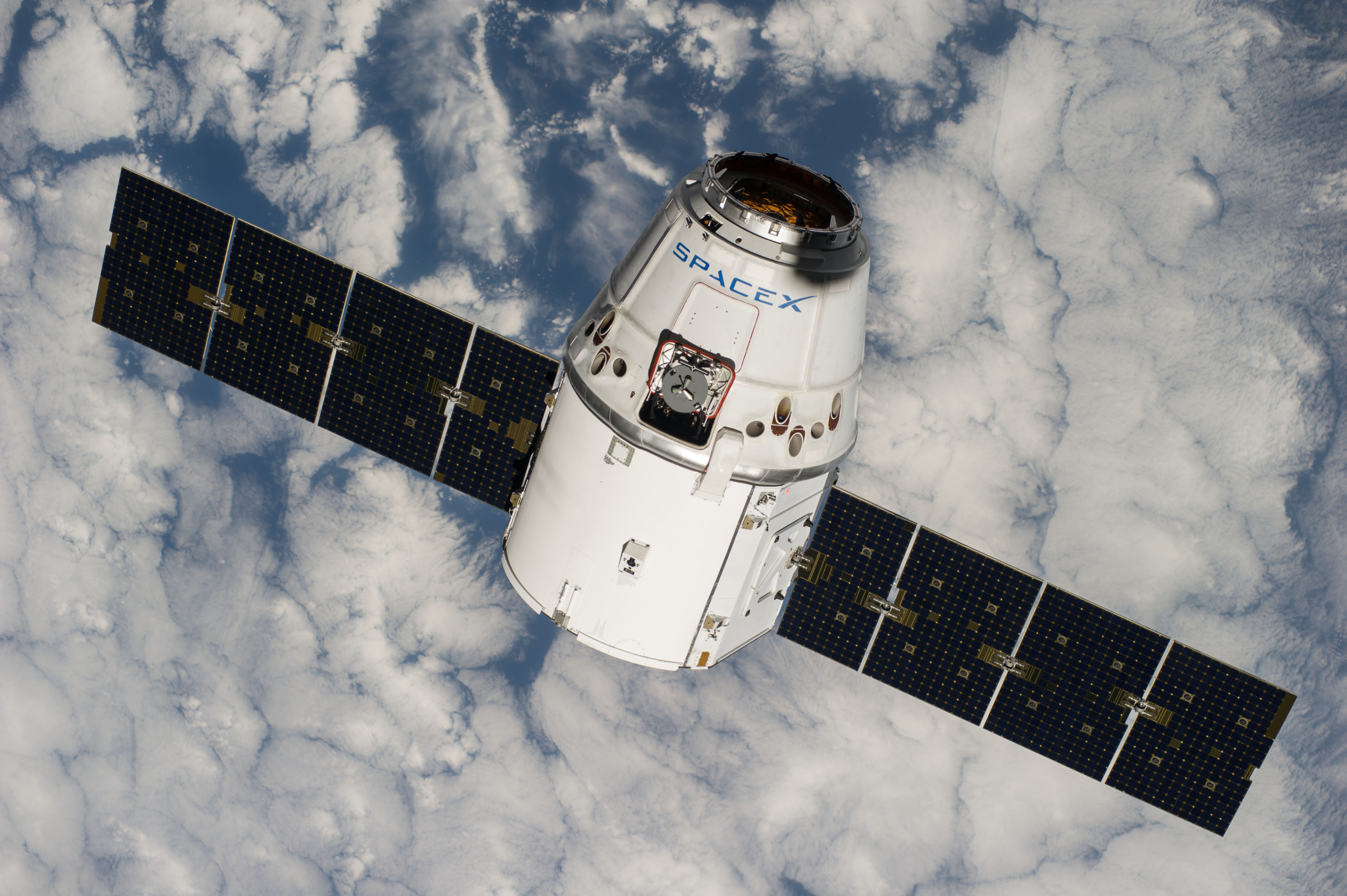
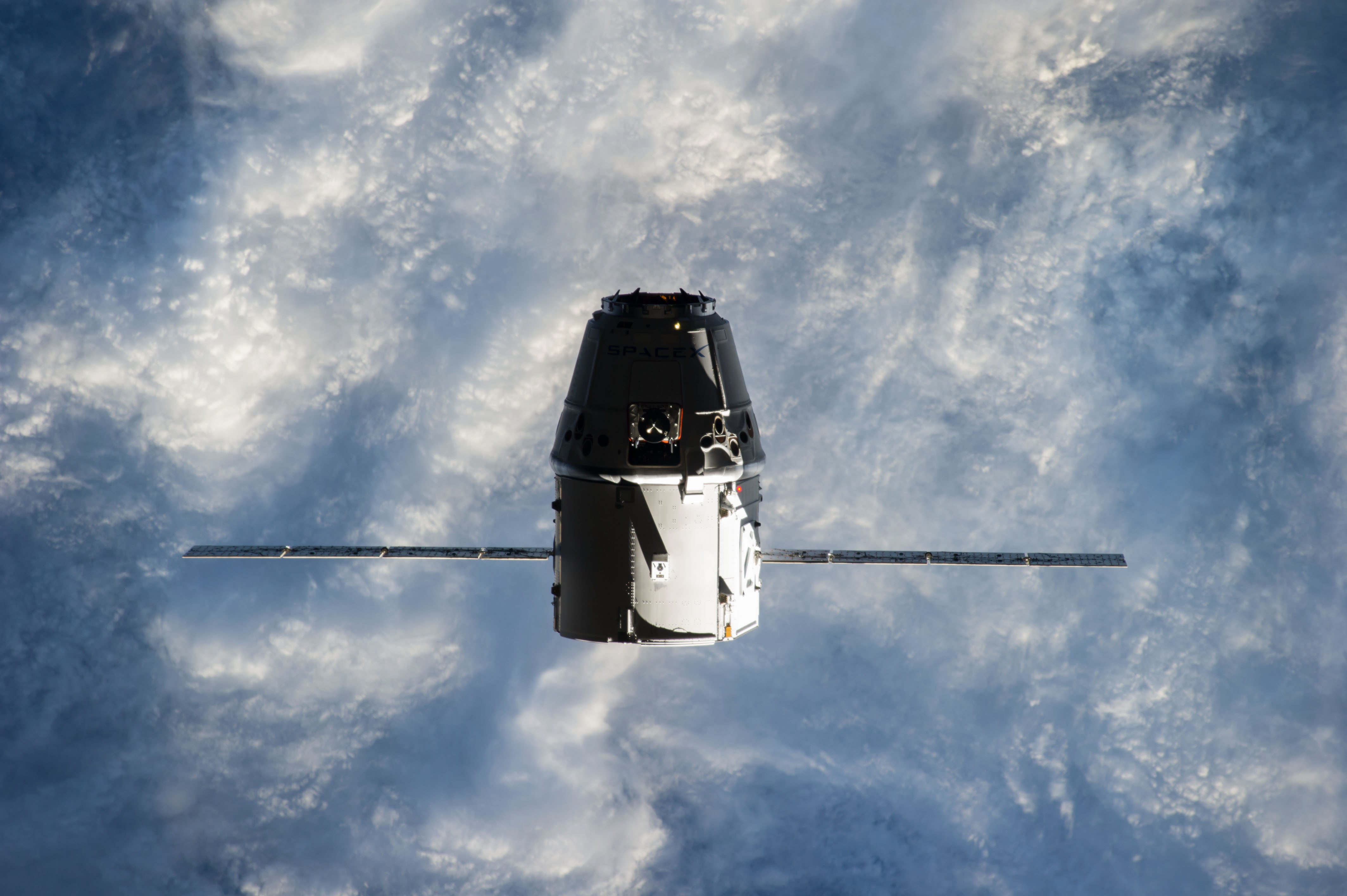
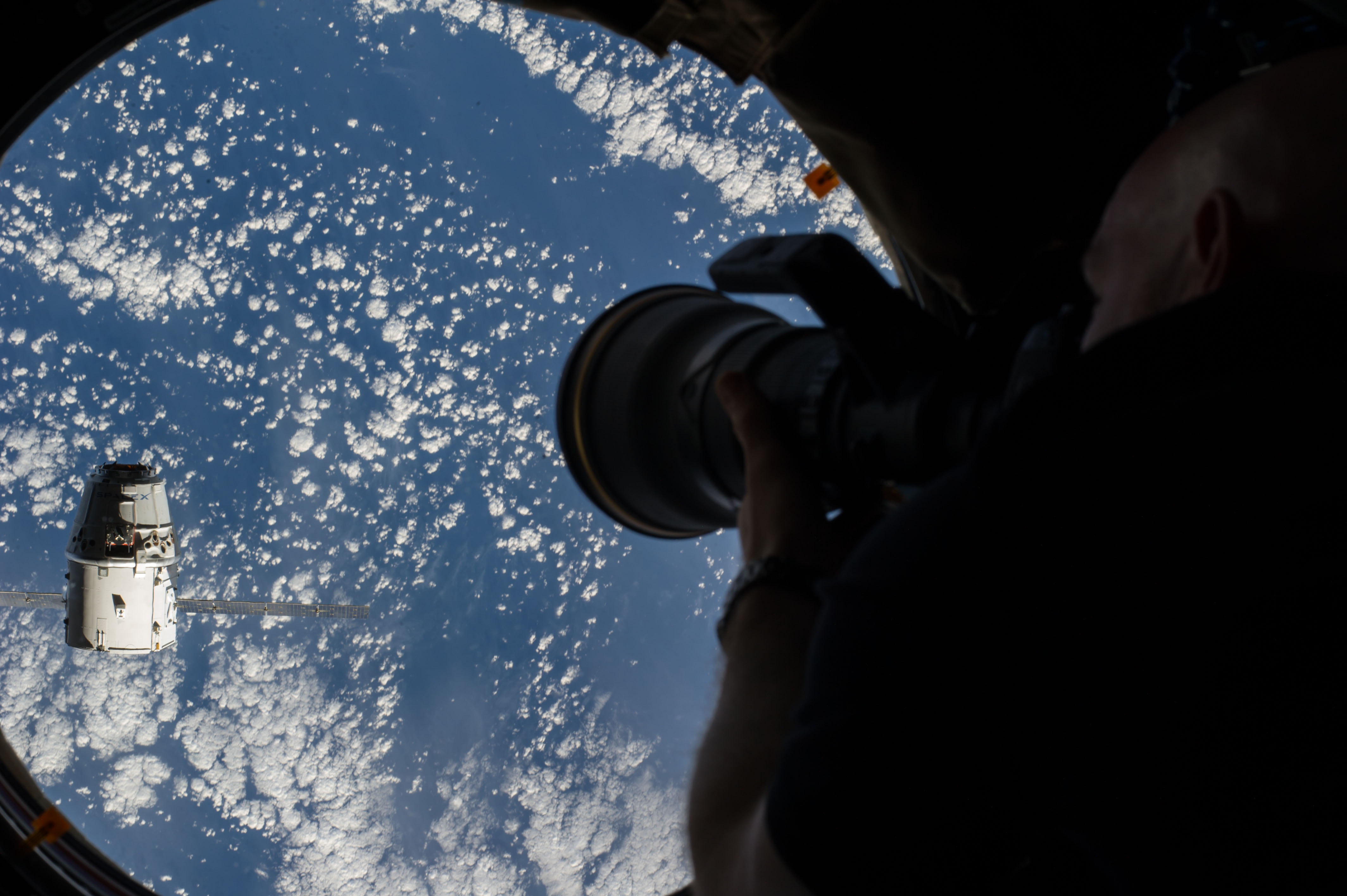
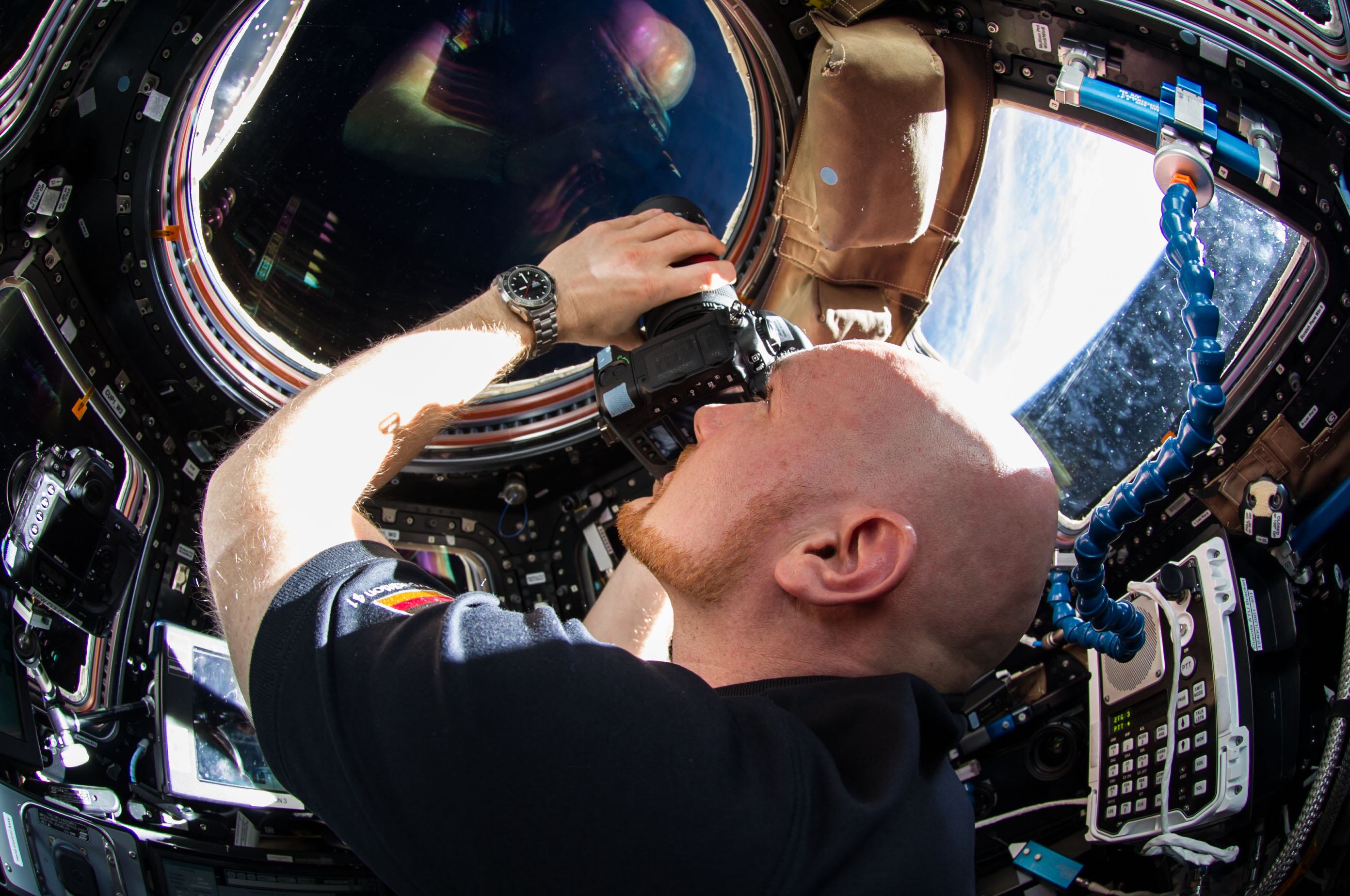
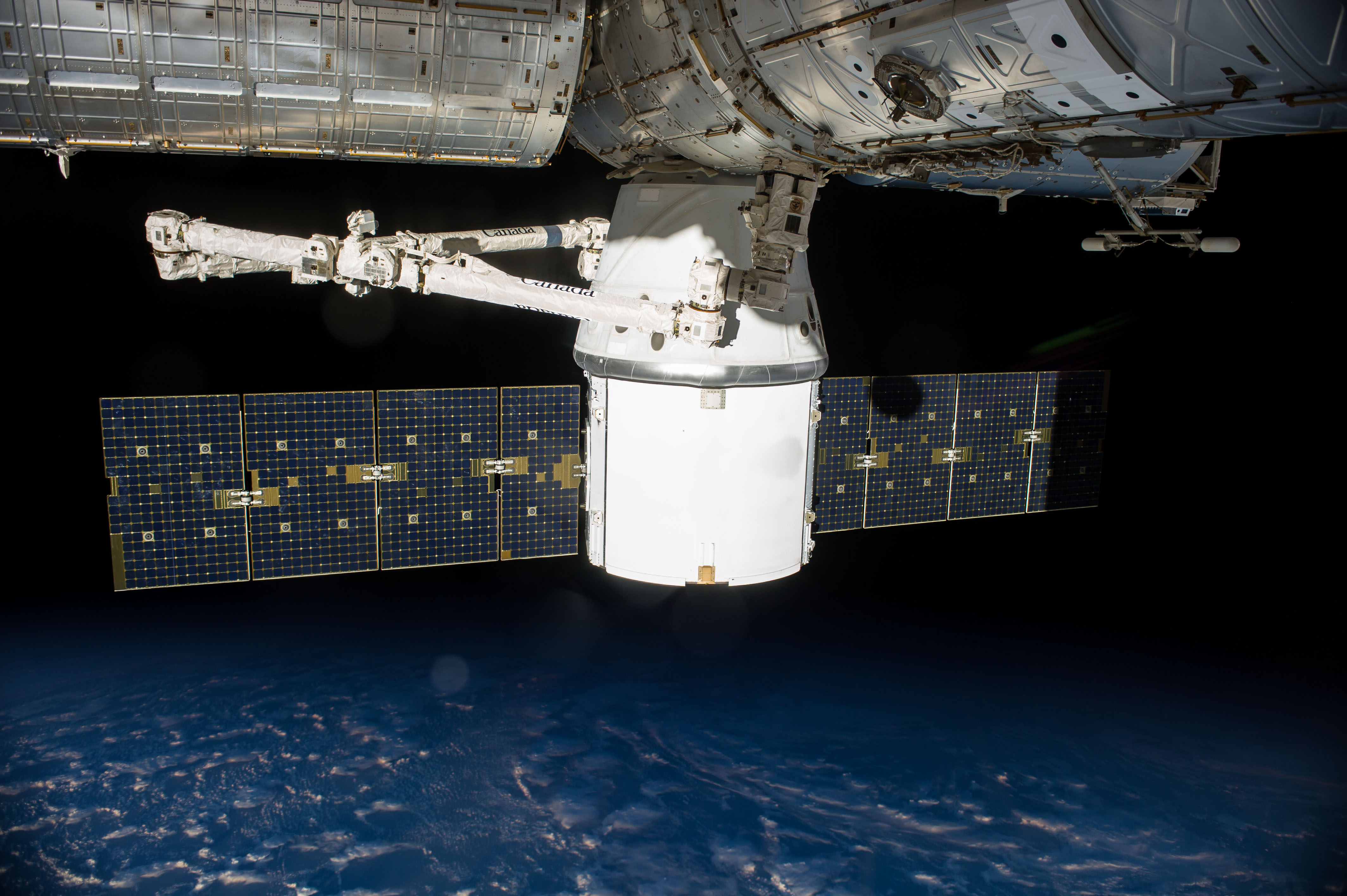
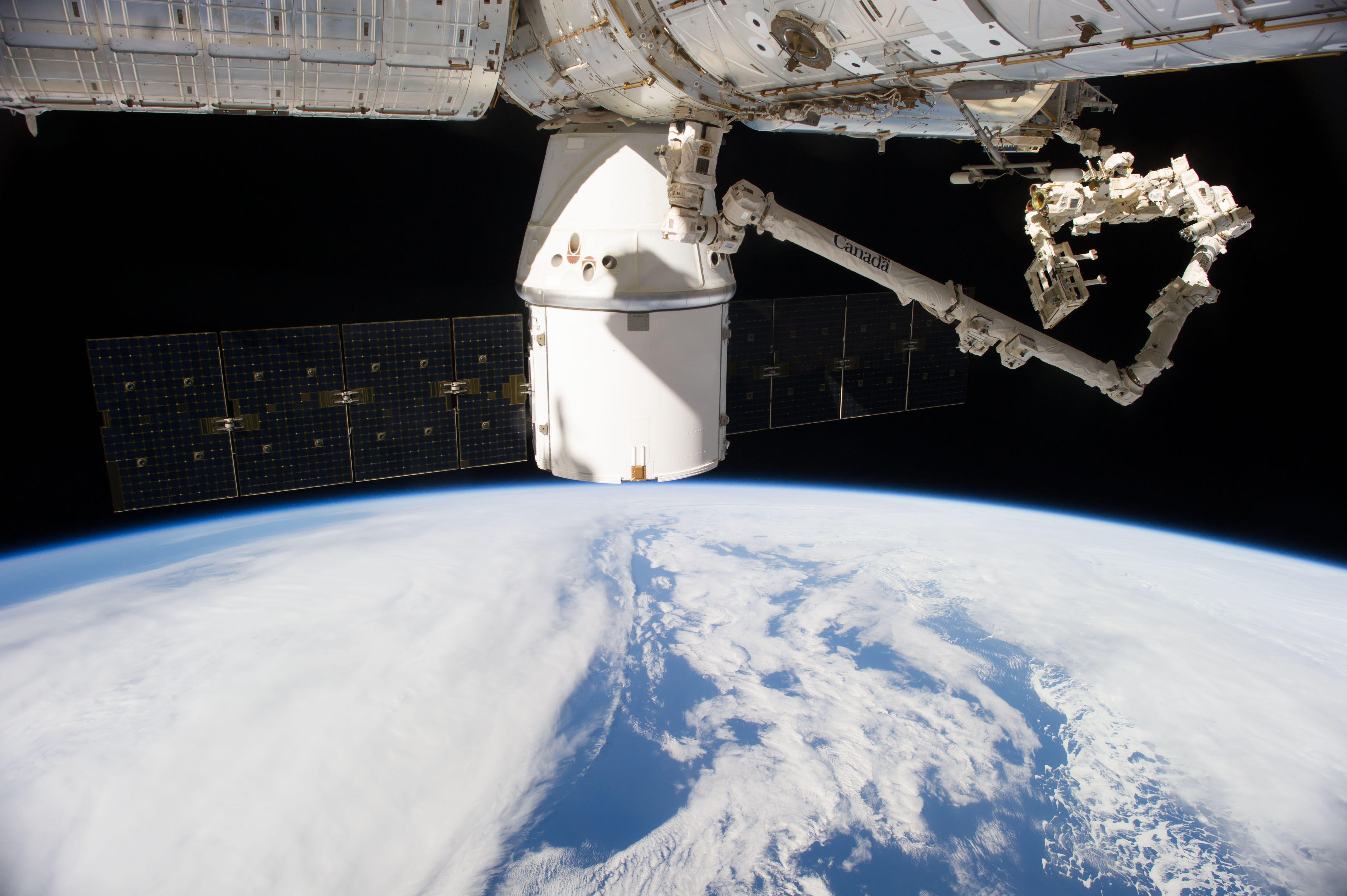
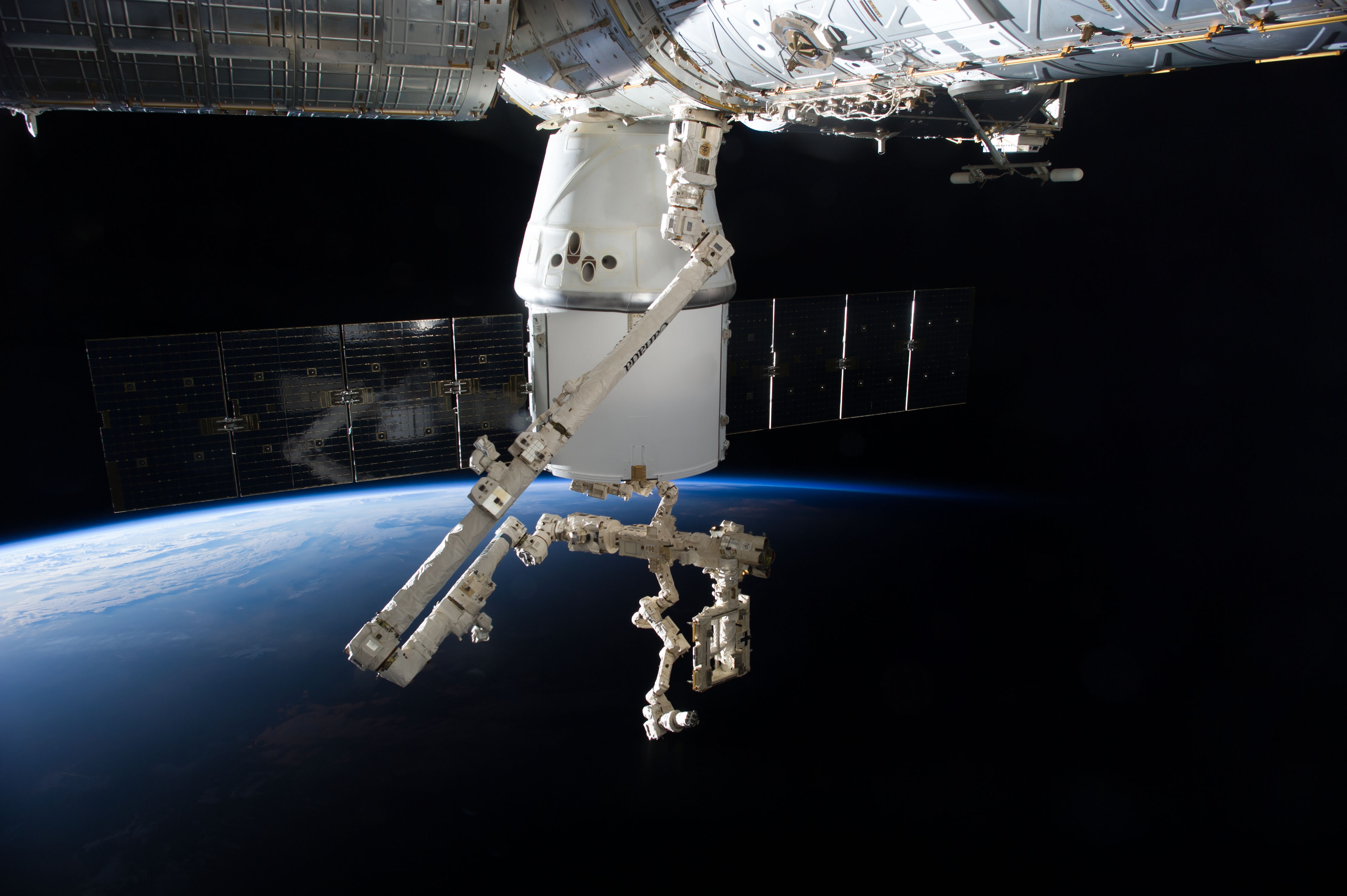
As for the interesting cargo on board the Dragon,
read this article from NASA JSC: :tiphat:
Breezy Science, Plant Studies and More Head to Space Station on SpaceX-4
September 19, 2014
Imagine a dragon flying through the heavens on mighty, outstretched wings. The majestic beast knows the currents of winds and how to harness their power as it soars above the clouds. SpaceX’s real Dragon – the company’s spacecraft that transports supplies and science to the International Space Station (ISS) – will deliver, and later return, new technology, biology and biotechnology and Earth and space science research to the orbiting outpost.
One of the new Earth science investigations heading into orbit is the ISS-Rapid Scatterometer (
ISS-RapidScat). ISS-RapidScat monitors ocean winds from the vantage point of the space station. This space-based scatterometer is a remote sensing instrument that uses radar pulses reflected from the ocean’s surface at different angles to calculate surface wind speed and direction. This information will be useful for weather forecasting and hurricane monitoring.
“We'll be able to see how wind speed changes with the time of day," said Ernesto Rodríguez, principal investigator for ISS-RapidScat at NASA's Jet Propulsion Laboratory in Pasadena, California. "ISS-RapidScat will link together all previous and current scatterometer missions, providing us with a more complete picture of how ocean winds change. Combined with data from the European ASCAT scatterometer mission, we'll be able to observe 90 percent of Earth's surface at least once a day, and in many places, several times a day."
In addition to improving weather models, RapidScat enhances measurements from other international scatterometers by cross-checking their data. Due to its unique orbit, RapidScat will observe different parts of the planet at different times of day. This allows the instrument to track the effects of the sun on ocean winds as the day progresses. Because the instrument
reuses leftover hardware originally built to test parts of the now inoperable
NASA QuikScat scatterometer, this investigation demonstrates a unique way to replace an instrument aboard an aging satellite. Learn more about ISS-RapidScat in this video:
New biomedical hardware launching on SpaceX’s fourth commercial resupply mission to the space station will facilitate prolonged biological studies in microgravity. The Rodent Research Hardware and Operations Validation (
Rodent Research-1) investigation provides a platform for long-duration
rodent experiments in space. These experiments examine how microgravity affects animals, providing information relevant to human spaceflight, discoveries in basic biology and knowledge that may have direct impact toward human health on Earth. Rodent Research-1 tests the operational capabilities of the new hardware system, including the transporter, rodent habitat and access unit.
Because rodents experience developmental stages and aging processes more quickly than humans, they make ideal research
model organisms to infer information about disease development and progression in humans. Model organisms are non-human species with characteristics that allow them easily to be maintained, reproduced and studied in a laboratory. Learn more about rodent research in microgravity in this video:
“In the coming years, rodent studies conducted aboard the space station will gather foundational data that will help advance human space exploration and provide new opportunities to improve quality of life on Earth,” said Ruth Globus, Ph.D., Rodent Research Project scientist and researcher in the Space Biosciences Division at NASA’s Ames Research Center in Moffett Field, California.
Another biological research investigation aboard Dragon includes a new plant study. The Biological Research in Canisters (
BRIC) hardware has supported a variety of plant growth experiments aboard the space station. The
BRIC-19 investigation, the first to collect data for the geneLAB research platform, will focus on the growth and development of Arabidopsis thaliana seedlings in microgravity. A. thaliana is a small flowering plant related to cabbage, and its genetic makeup is simple and well-understood by the plant biology community. This knowledge offers easy recognition of any changes that occur as a result of microgravity adaptation.
Plant development on Earth is impacted by mechanical forces such as wind or a plant’s own weight. Researchers hope to get a better understanding of how the growth responses of plants are altered by the absence of these forces when grown in microgravity.
The BRIC hardware helps to maximize research and minimize space and crew time since it does not use power to operate and the canister is the size of a bread box. This study may add to the collective body of knowledge about basic plant growth phenomena and could help improve farming practices on Earth.
In addition to Earth and biological science studies, several new technology demonstrations are making their way to the space station. One of those, known as the Special Purpose Inexpensive Satellite, or
SpinSat, will test how a small satellite moves and positions itself in space using new thruster technology. It will launch into orbit from the space station through the new
Cyclops small satellite deployer, also known as the Space Station Integrated Kinetic Launcher for Orbital Payload Systems (
SSIKLOPS). Learn more about Cyclops in this video:
SpinSat is a spherical satellite measuring 22 inches in diameter. It will test advanced thruster technology that uses a new class of non-pyrotechnic materials known as Electrically-Controlled Solid Propellants (ESP). ESPs are ignited only by electric current.
Researchers can use high-resolution atmospheric data captured by SpinSat to determine the density of the thermosphere, one of the uppermost layers of the atmosphere. With better knowledge of the thermosphere, engineers and scientists can refine satellite and telecommunications technology.
Another new technology demonstration catching a ride on the Dragon is the 3-D Printing In Zero-G Technology Demonstration (
3-D Printing In Zero-G), which will be the
first ever 3-D printer in space. Additive manufacturing could enable parts to be manufactured quickly and cheaply in space, instead of waiting for the next cargo resupply vehicle delivery. The research team also can gain valuable insight into improving 3-D printing technology on Earth by demonstrating it in microgravity.
With so many new investigations that directly impact human life, this Dragon’s delivery is helping the space station make discoveries
off the Earth, for the Earth.
by Laura Niles
International Space Station Program Science Office and Public Affairs Office
NASA’s Johnson Space Center