Updates SpaceX Falcon 9 F5 CRS SpX-2 through CRS SpX-12 Updates

You wouldn't happen to be Astromouse, would you?

ANyway, even if they don't hit it the first time, they're going to get some great data. But I do hope they hit the x ring (or at least the 9 ring).
 
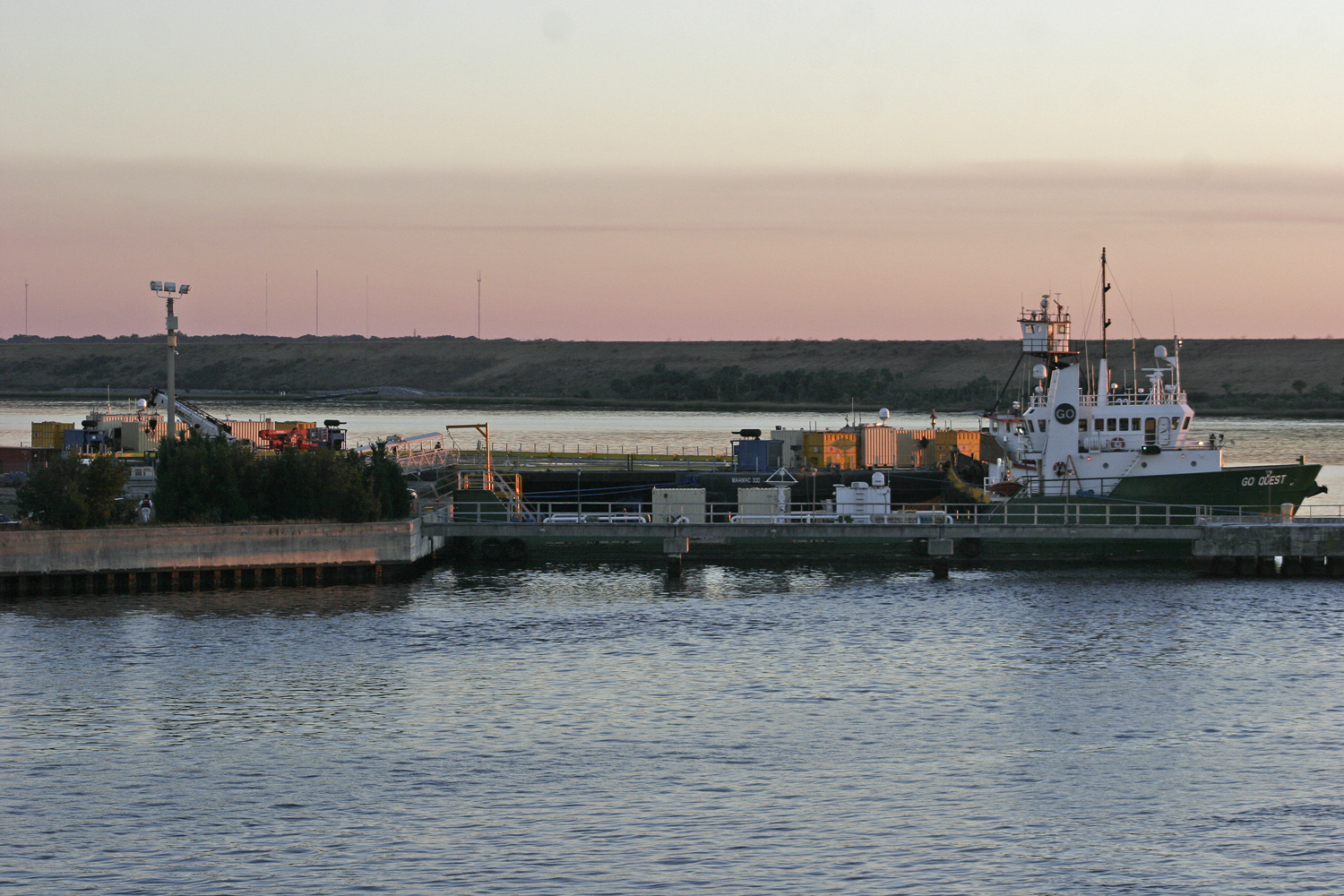
Where will the barge be stationed? Will it be in the middle of the ocean or will it be off the coast?
 
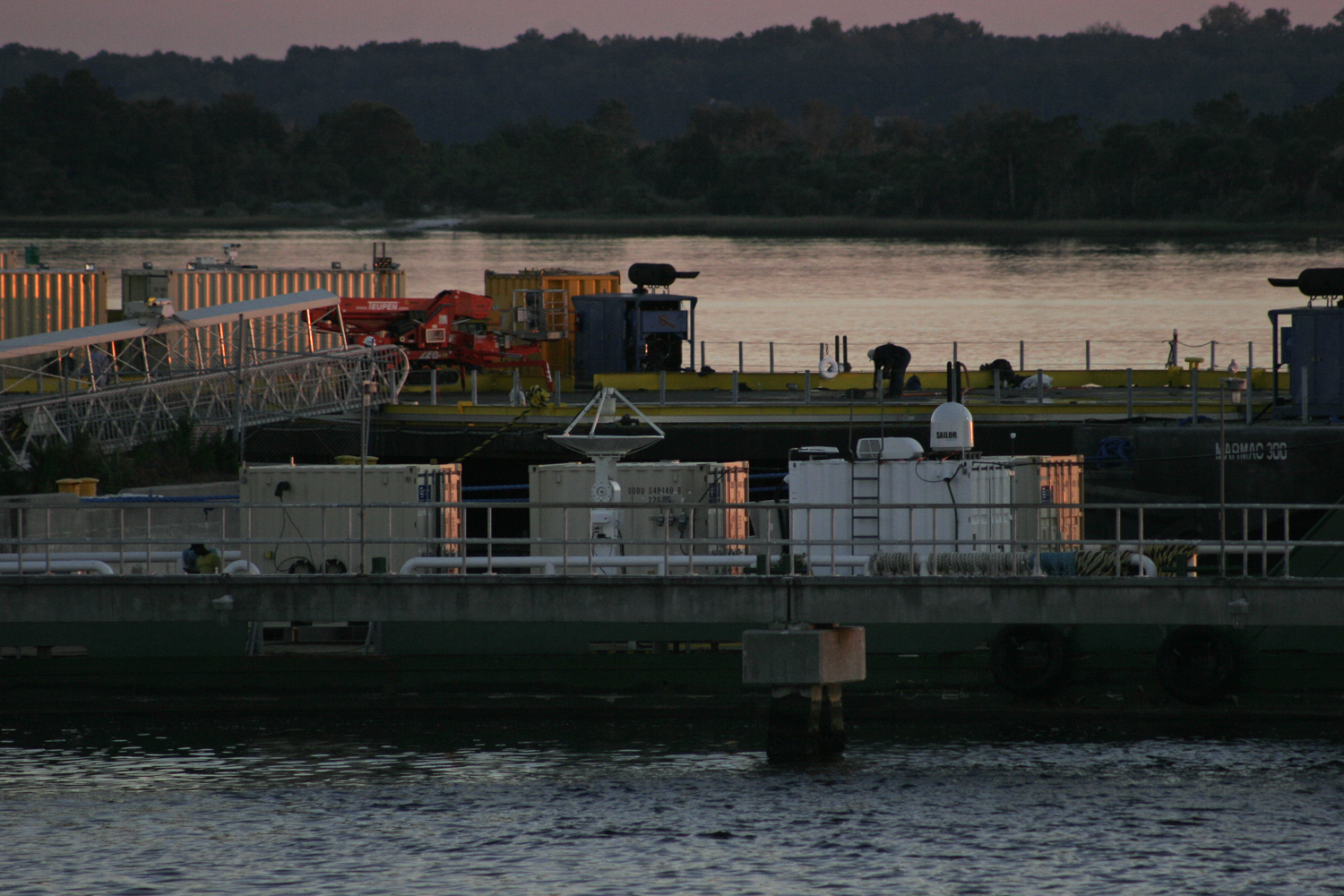
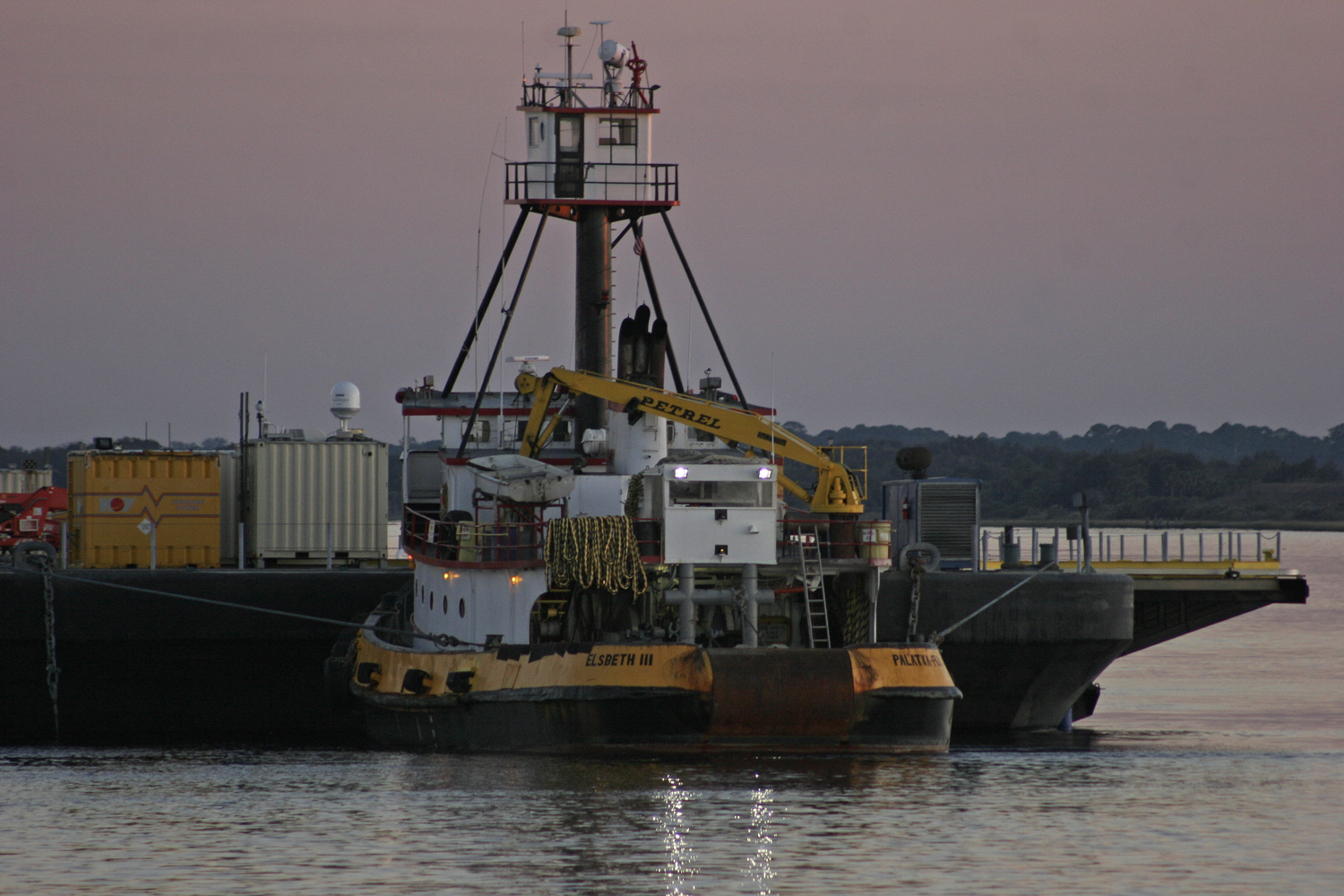
Anybody know if there is some sort hold-down system on the barge if the stage does indeed land on it? It would suck if it landed, then was blown or tipped over and exploded. It will be pretty bottom heavy, but still there is a lot of body sticking up to catch a breeze.
 
Spaceflightnow.com is now indicating CRS-5 pushed to Dec. 19, 1820 GMT (1:20 p.m. EST)
 
CATS in the trunk!

index.php
 
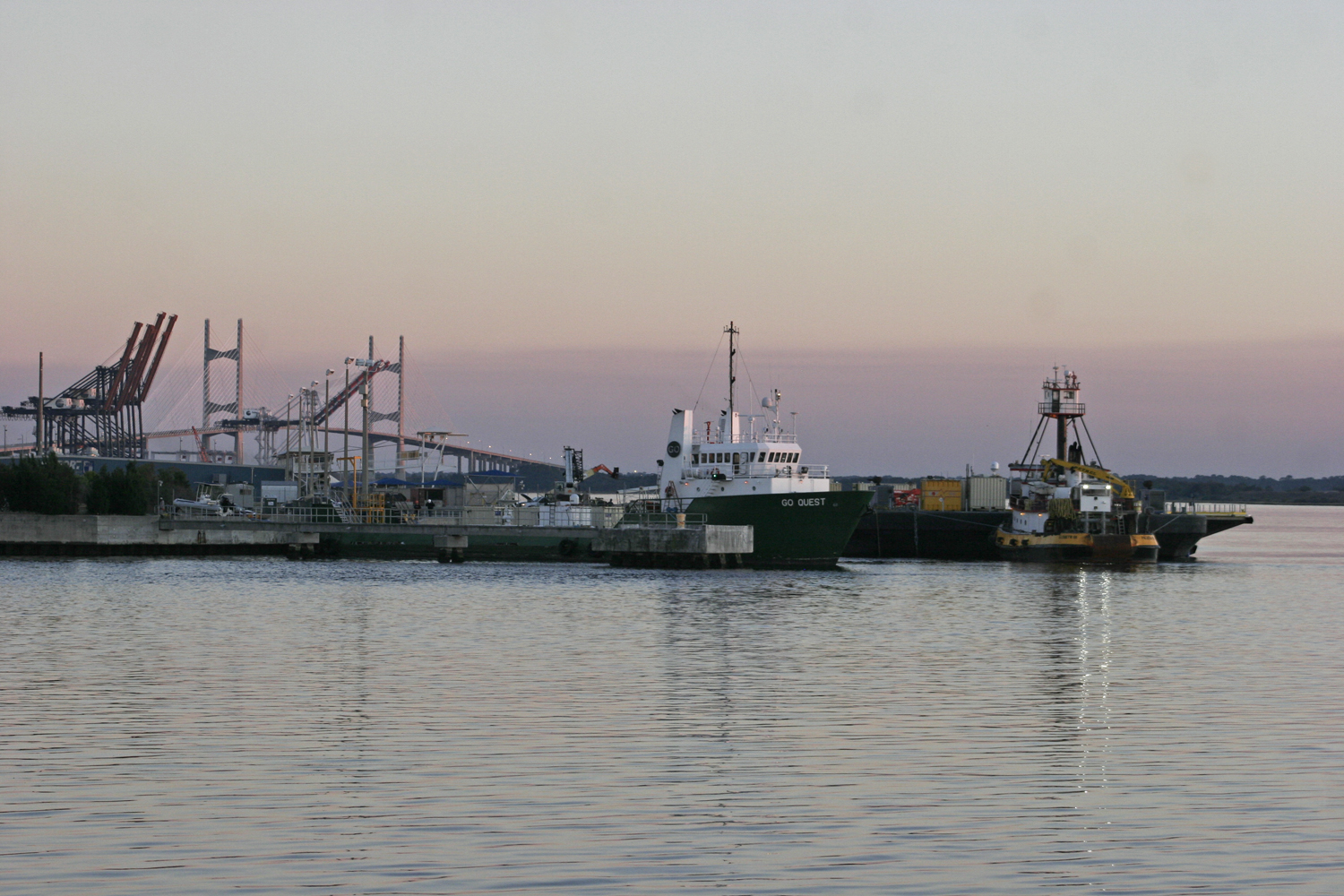
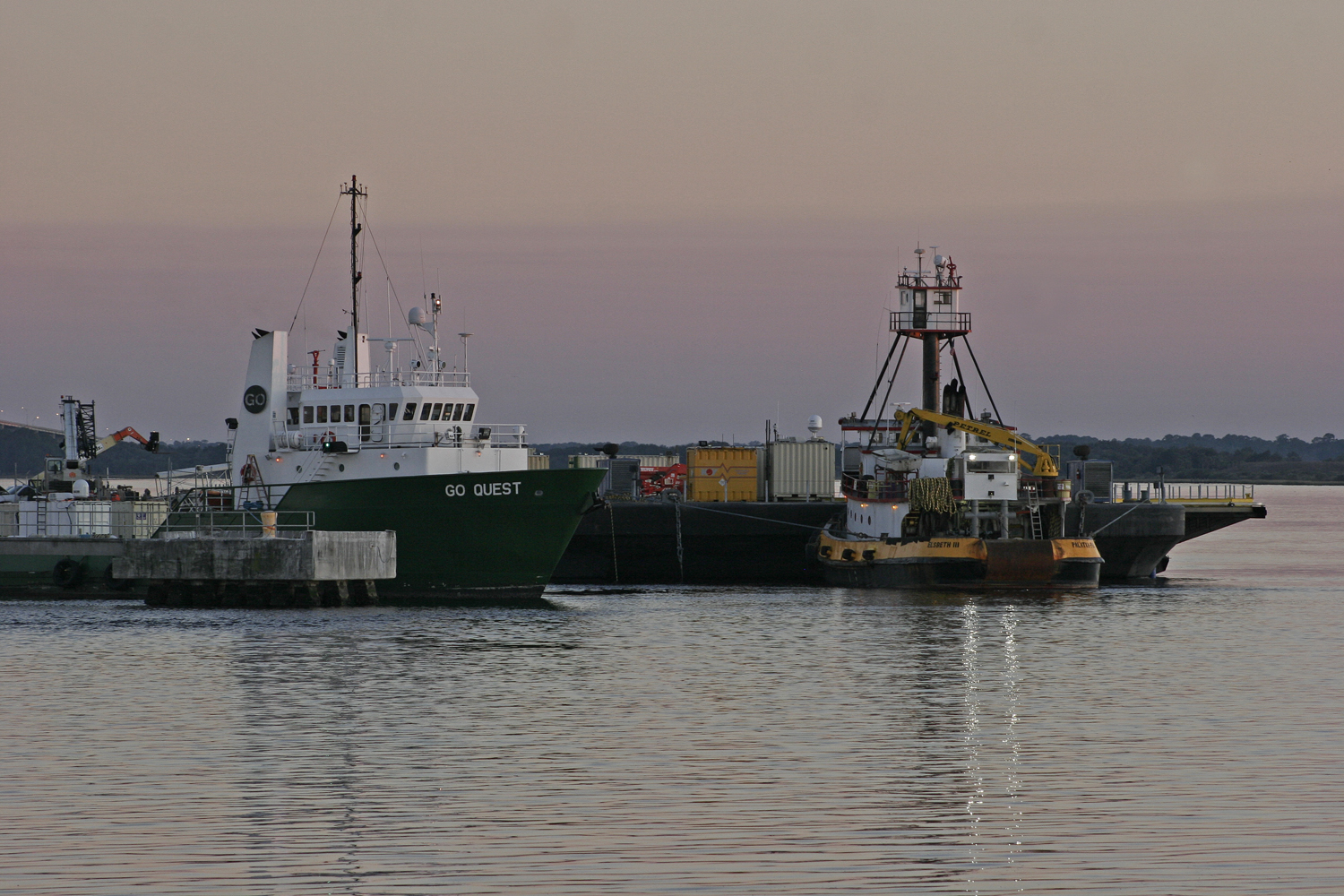
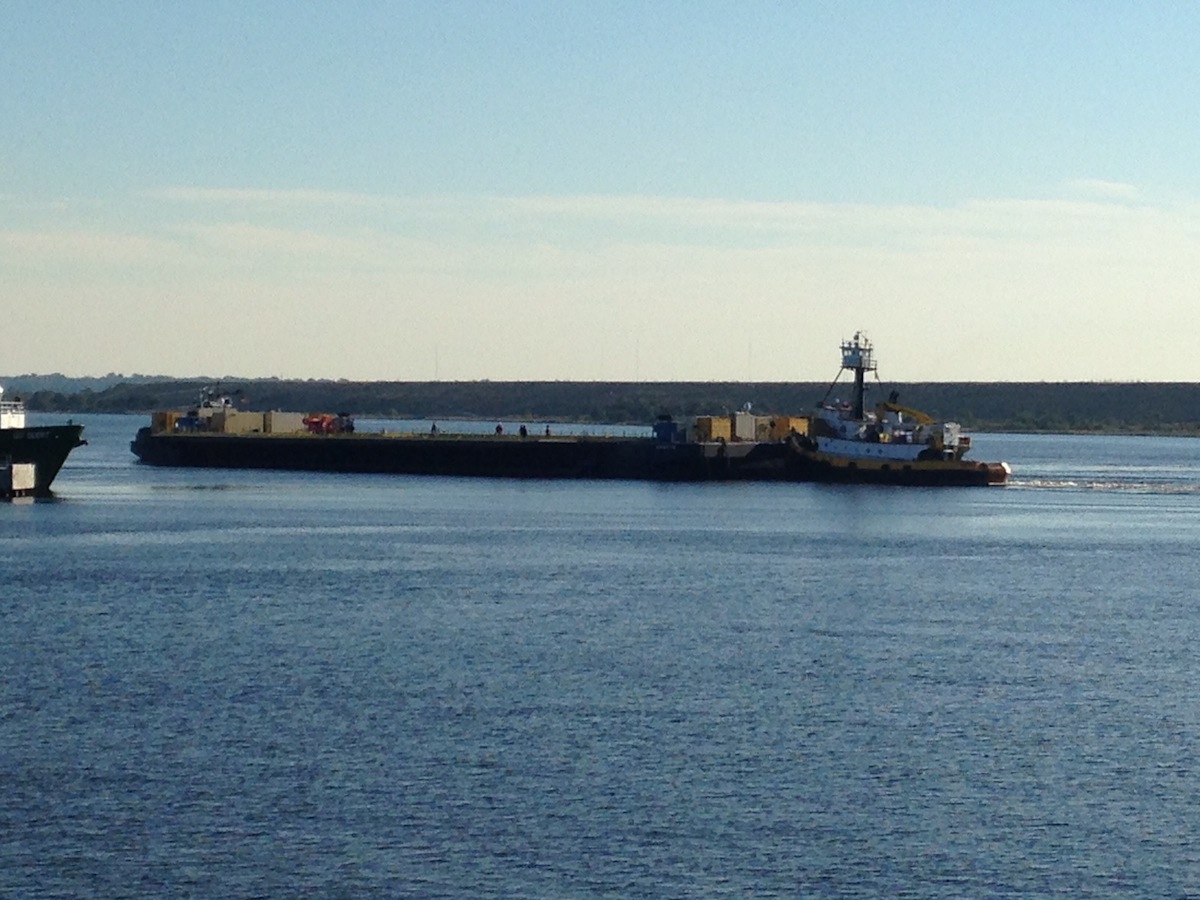
Looks pretty expendable, I doubt that this is going to be used for transporting the stage back to the shore.

No retention systems at all, which means that even small waves would result in a pretty instable situation - for helicopters for example, the first thing after landing on a ship is to secure it (often automatically), because otherwise it would move over the deck uncontrolled.

I suspect that either the rocket is supposed to be discarded after touching down as test flight or another ship is expected to rush to the barge for properly securing the stage or for lifting it on its deck for recovery.

Strange though. Securing a rocket stage after landing wouldn't be that hard if you think about the options. Even just locking the stage between some foam-protected steel cables on masts would be enough, if some possible damage to the tank structure by buckling is acceptable.

 
It's got azopod steering motors (independent), it should be able to turn into any waves and hold station pretty well.
 
It's got azopod steering motors (independent), it should be able to turn into any waves and hold station pretty well.

But its no semi-submersible or SWATH - the waves should have a pretty strong effect on it, regardless how you are capable of turning it.
 
Looks pretty expendable, I doubt that this is going to be used for transporting the stage back to the shore.

No retention systems at all, which means that even small waves would result in a pretty instable situation - for helicopters for example, the first thing after landing on a ship is to secure it (often automatically), because otherwise it would move over the deck uncontrolled.

I suspect that either the rocket is supposed to be discarded after touching down as test flight or another ship is expected to rush to the barge for properly securing the stage or for lifting it on its deck for recovery.

Strange though. Securing a rocket stage after landing wouldn't be that hard if you think about the options. Even just locking the stage between some foam-protected steel cables on masts would be enough, if some possible damage to the tank structure by buckling is acceptable.

I wonder how did SpaceX move the Grasshopper/F9R-dev onto the horizontal position?
 
I wonder how did SpaceX move the Grasshopper/F9R-dev onto the horizontal position?

Inert and use a classic road-mobile crane for lifting it and rotating it into horizontal position or back into vertical again?

After all, without fuel, such a rocket stage weights only a few tons, maybe a dozen, maybe less. Its no problem getting a crane that could lift this. Even the smallest truck mounted cranes can lift 14 tons and the most powerful truck crane, the Liebherr LTM 11200, can carry 1200 tons (in theory. Without extra gear and 202 tons of ballast, its "just" 360 tons)
 
Last edited:
I was mistaken (sort of) not quite azopods, but these. http://www.thrustmaster.net/azimuth-thrusters/

As far as pitch and roll control, I can't find anything on how they plan to stabilize it, but I'm asking around. I just how they manage to video it.

If the barge is larger than the mean wavelengths (and it appears to be so), pitch and roll should not be a problem in fair weather. In larger swells, maybe not so much. I wonder if sea state is a launch criterion?
 
Back
Top