I picked it up from scratch almost 2 years ago, and I think I can offer some pointers on how to start with it. Keep in mind, though, the only thing that can really determine how far you go is how much you enjoy it. I tried learning piano as a kid and it just turned into a chore that I eventually gave up.
-If at all possible, try to find an instrument to borrow. You don't want to feel like you HAVE to keep playing because you just dropped all this money on the gear. I convinced my Dad to loan me a guitar to take back to my apartment without an amp, and that's what I learned with for at least the first three or four months before I ever had access to an amp.
-If you have to buy, buy used. There's no reason to spend massive amounts of money on something you may or may not end up enjoying. Ignore Gibson and Fender for the time being, they're way too much money and you won't have the skill and experience to appreciate them anyway. Figure out what kind of music you want to play, then troll Craigslist or similar sites for used stuff. More on specific gear later...
-Youtube + Guitar Pro + Ultimate-Guitar forums. The secret to my modest success. Go through the music you like and pick out something that sounds very, very easy. For me it was an Offspring tune. Troll through U-G's tab library until you find what you want to learn. Tabs are very easy to read, just find a key of what all the symbols mean and you'll understand the logic. Then, as you try to play it, find tutorial videos on Youtube that demonstrate the techniques you need to know. Like, if you see the tab has some hammer-ons, find a hammer-on tutorial to watch. This is a good, free alternative to paying a teacher to show you how to do things, and serves the same visual learning purpose. I love Guitar Pro because it dodges the big downfall of tabs: they don't show rhythm at all.
-Choose songs that YOU want to learn how to play. If you don't care about the Rolling Stones or any other stuff that everyone says you should learn first, then don't bother with them. The surest way to get sick of learning is to be playing stuff you don't really want to play. Play along with the songs, that's how you learn to play in time.
-There is a lot of wiggle room in how your specific technique works. Talk to 10 different guitarists and they'll show you 10 different ways to play. Hold the pick in a way that's comfortable for you, not necessarily the way people tell you to. You can always modify your technique down the road if it becomes necessary. Play the way you enjoy playing, and figure out your own fingering for chords.
-Try to play something every day. Even if it's just screwing around for 5 minutes and hanging it up, just try to do a little something every day. I plug in and get loud once every few days, but EVERY evening I lie on the sofa and watch TV while I play. Play while you're sitting through an Orbiter trip. The wonderful thing about guitar is that it takes 2 seconds to pick up and start amusing yourself, and 2 seconds to put down and do something else. Even if you're not totally focused on it, practice is practice.
All that said, my tactics do have some problems. At 2 years in, I still know essentially no music theory. I can't tell you what chords I'm playing, I can't play scales, and if you tell me "Dude, play A minor", I will look at you like a clueless idiot. I ignored music theory in the interest of learning songs and having fun. It's probably not the best way, but I didn't get frustrated and give up. If you wanna write music, you have to learn it. If you just want to play songs and amuse yourself, you can let it slide.
Now for equipment. The big question is: What kind of music do you want to play? Technically you can play anything with anything, but some instruments are better suited to particular genres than others. Pickup choice (the magnets that pick up the vibrating strings and emit signal to the amp) is the biggest single consideration:
These are single-coil pickups, commonly associated with Fender guitars, like this Strat. They tend to have a lighter, thinner sound with a lot more "twang" to them. I'm generalizing here, but you see single-coils used for softer rock or alternative, funk, country, and blues.
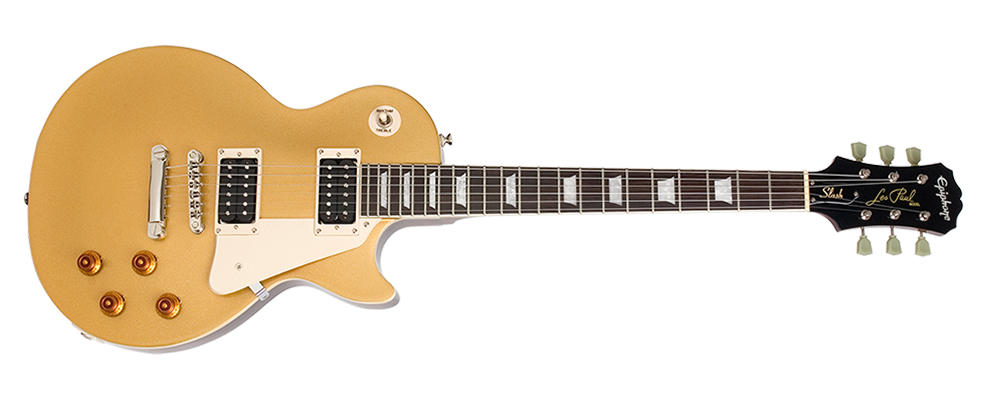
These are humbucker pickups, commonly associated with Gibson guitars, like this Les Paul. Humbuckers have two coils in them, and are designed to cancel out the humming sound you get when you plug in a single-coil instrument. They have a bigger, fatter sound with no twang. Again, generalizing, but you see humbuckers in hard rock and metal, usually paired with a high-gain amp.
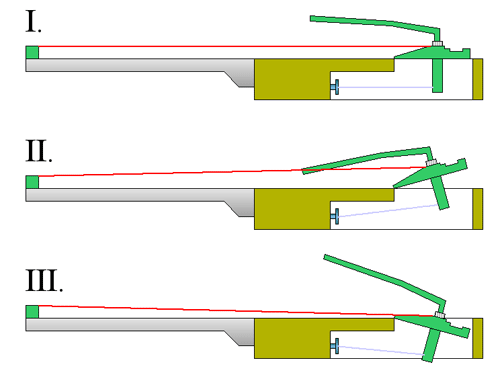
Personally, I play hard stuff, so I'm member of the humbucker master race. I find that Les Paul-style bridge to be much easier to play with than the Fender tremolo (whammy) bar, which tends to get in my way. I suggest not getting a trem on your first guitar, you should learn to deal with it after you get the basics down.
Like I said earlier, look for used stuff. Try not to get a crappy guitar that you'll feel sorry for buying six months down the road when you figure out how bad it sucks. But, don't blow a stupid amount of money and feel obligated to play. Here is a basic brand rundown of the big players:
-Squire: These are the cheaper licensed versions of Fender's guitars. They look, feel, and sorta sound like Fenders, and if you can learn to play one you can pick up a real Fender with no trouble. Secondhand, you can find Squire Strats for $100 or less anywhere.
-Epiphone: These are to Gibson what Squire is to Fender. They are built to the same specs as Gibsons, just with cheaper hardware. Used ones do tend to run a bit more than Fender, but you can get decent ones for $150.
-Ibanez: Don't know much about them, so I can't say.
-Jackson/ESP/LTD: These guitars are generally optimized for the metal players, with high-output pickups and pointy edges. If you like that music, these are a good choice.
-Schecter: Not that big of a brand, but I'm mentioning them because I'm a massive fanboy. Optimized for metal and hard rock, similar to Jackson/ESP/LTD. Very good quality for the money, which is a lot less than Gibson/Fender.
Obviously, there are a lot more manufacturers out there, but these are the ones that churn out enough inventory for the used market to be affordable.
Here are some specific guitars that are good to learn with, but should be cheap to find used:
http://www.musiciansfriend.com/guitars/schecter-guitar-research-omen-6-electric-guitar - Godlike value for the money, the first guitar I actually owned. $2000 Gibsons are less comfortable to play than this, IMO.
http://www.musiciansfriend.com/guitars/squier-standard-stratocaster-electric-guitar - Basic Squire Strat. Try not to get the dirt-cheap ones that come in the starter kits...
http://www.musiciansfriend.com/guitars/epiphone-les-paul-standard-plain-top-electric-guitar - These are hard to find around here for less than $300 used. The Special/Special-IIs are significantly cheaper.
Generally, if you can find it new for $300, you can find it used for $200 or less.
As for amps, there are just way too many to count. My advice is to do some research or throw up some posts on U-G to get recommendations. Remember, you don't HAVE to have an amp to start learning, but it does help. If you have to choose between a cheap guitar and a nice amp, or a cheap amp and a nice guitar, take the nice amp. Crappy amps can ruin an otherwise good guitar, but good amps can prop up a cheaper guitar.
Personally, I'm a big Blackstar fan, and I play through a 40 watt tube combo with a 4x10 cab. That's a little expensive for a first-timer.
http://www.musiciansfriend.com/guitars/blackstar-venue-series-ht-studio-20-20w-tube-guitar-combo-amp
http://www.musiciansfriend.com/guit...s-ht-5r-tube-guitar-combo-amp/h75307000000000
That little 5 watt is an awesome bedroom amp, it's designed to put out the sound of a high powered amp at a much lower volume. The 20 watt has enough power to have some fun with.
The big choice with amps is tubes vs transistors. The really legendary guitar tones are almost all achieved with old-school tube amps, but those are expensive. Transistor amps take in the guitar signal and run it through modeling software to simulate tube sounds. Transistors are cheaper and offer a greater variety of sounds, but tubes just sound better. Tubes will also let a lot more of the character of individual guitars through, while transistors tend to launder most instruments into the same basic sound. Just don't cheap out too much, or you'll be holding back an otherwise good guitar.